Weather & Air Quality IoT Analyzer · a city-wide monitoring network
Lahore's air is among the worst-measured problems in one of the world's most polluted cities. WAQIA answers with hardware built from the board up — sensors, PCB, enclosure, and platform all engineered in-house — deployed as a networked monitoring grid across the city through a ten-university academic alliance, with over a year of continuous field data behind it.
The Device
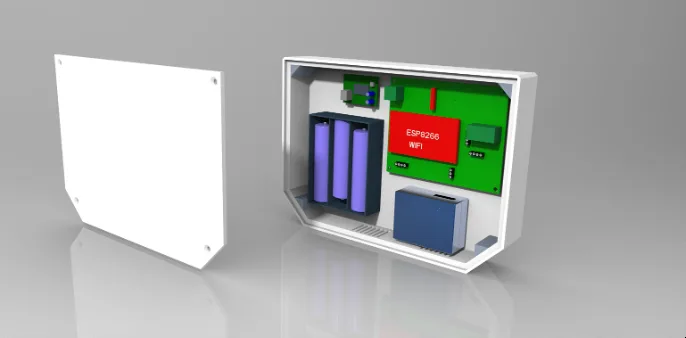
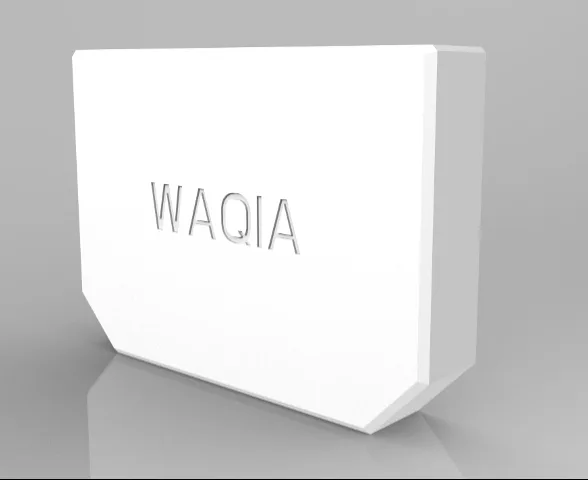
Modular multi-sensor system: PM2.5, PM10, temperature, and humidity as standard — modularly upgradeable to CO2, wind, and ozone.
In-house electronics: custom-designed PCB and ESP-based IoT system, with on-board data buffering for connection failures and battery backup of 1–8 hours for blackouts.
Proven reliability: the first units have run continuously without failure since February 2022, with successive versions hardening the platform since.
Reference-grade data: two and a half years of side-by-side measurement against IQAir and Kaiterra reference monitors shows a variance of just 5–8%.
The Platform
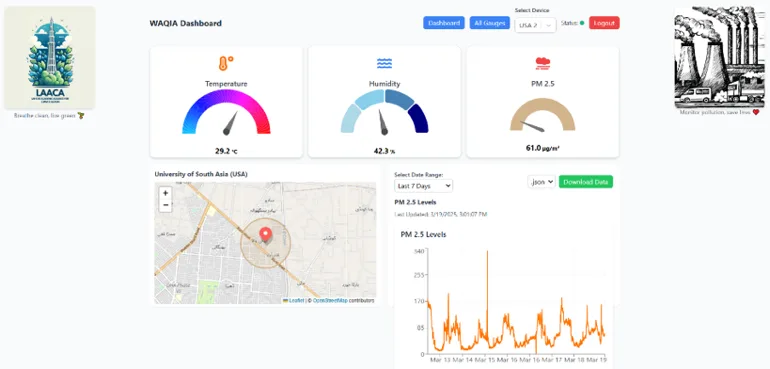
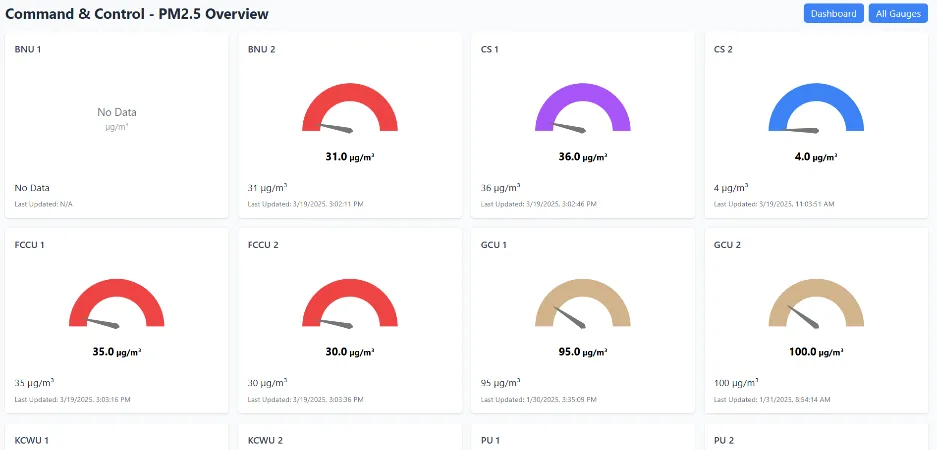
Each unit streams to a cloud platform with web dashboards on any device: live AQI mapping across the network, per-station gauges, daily, weekly, and monthly trends, forecasting, and automated reporting — the analytics layer that turns scattered readings into a city-scale instrument.
The Network — LAACA
Through the Lahore Academic Alliance for Climate Action (LAACA), MoUs were signed with ten universities — including Punjab University, GCU, FCCU, BNU, UCP, UMT, Kinnaird College, the University of South Asia, and the University of Lahore — committing each campus to hosting, maintaining, and sharing data from the network, with partner schools joining alongside.
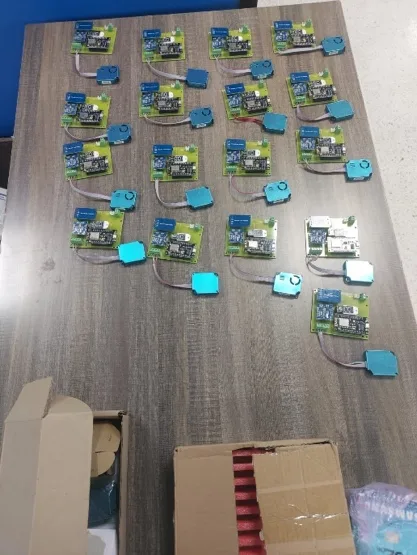
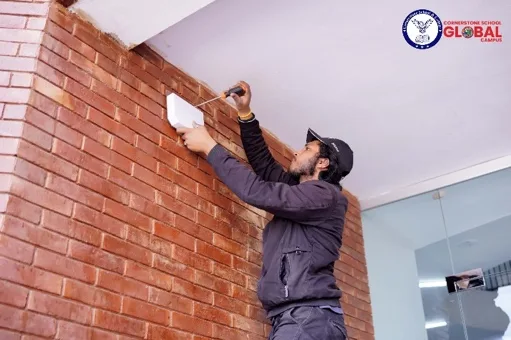
Installed and live: monitors programmed and deployed across campuses and partner sites, co-located with IQAir reference units where available to keep the data honest.
Free to the alliance: member institutions get the hardware, the network, and the analytics — and contribute siting, power, and data stewardship in return.
Beyond measurement: a Green Ambassador programme puts the data to work in schools and campuses, building the constituency that clean-air policy needs.
Why It Matters
Lahore's PM2.5 routinely exceeds international guidelines by an order of magnitude, yet monitoring coverage has depended on a handful of imported reference stations. WAQIA changes the economics: an indigenous monitor at a fraction of imported cost, validated against reference instruments, and networked through institutions that keep it running. The data now feeds the wider clean-air agenda — from the PakEVO platform linking pollution trends to transport, to the air-quality case in the Pakistan Energy Vehicle Adoption Roadmap.
Sensors, boards, enclosures, connectivity, and analytics — engineered as one system and proven in one of the world's toughest urban environments. Tell us what you need to measure.