ADAPTecture · a live, reconfigurable vehicle architecture
Every vehicle you've ever seen is built on a fixed platform. This one isn't. ADAPTecture replaces the platform with structural building blocks: functional modules that are the vehicle's structure, carry their own power and energy, and can be added, dropped, and swapped mid-run. The result is a light commercial vehicle that changes shape, stiffness, payload, and even aerodynamics — live.
Developed through an industrial R&D programme in the UK and EU, validated on a full cab-and-payload prototype. The concepts and IP now sit within Aliera, feeding our current vehicle programmes.
The Live Vehicle
When a payload module is added or removed, the vehicle's weight distribution and structural behaviour change. ADAPTecture treats that as a control problem, not a compromise:
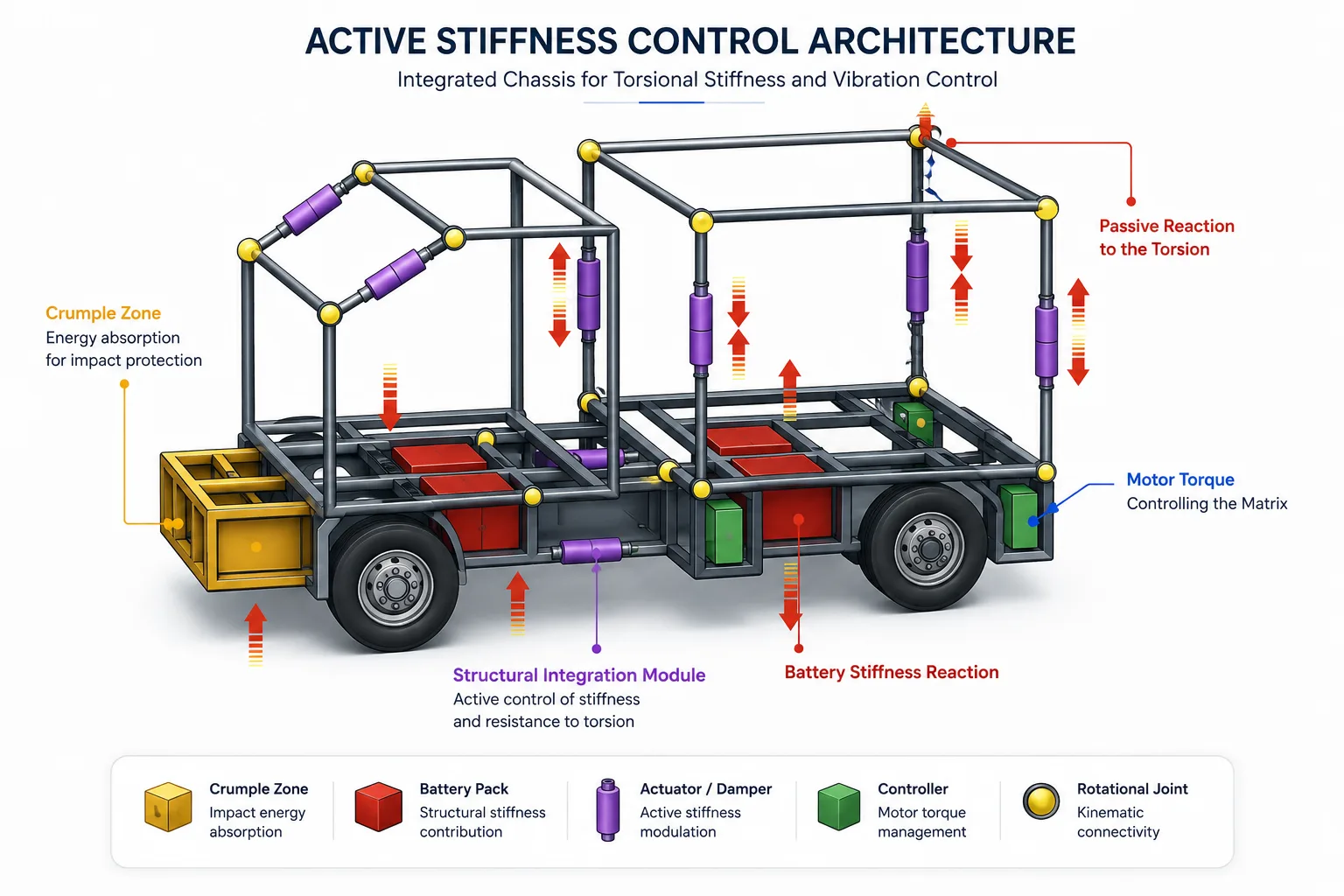
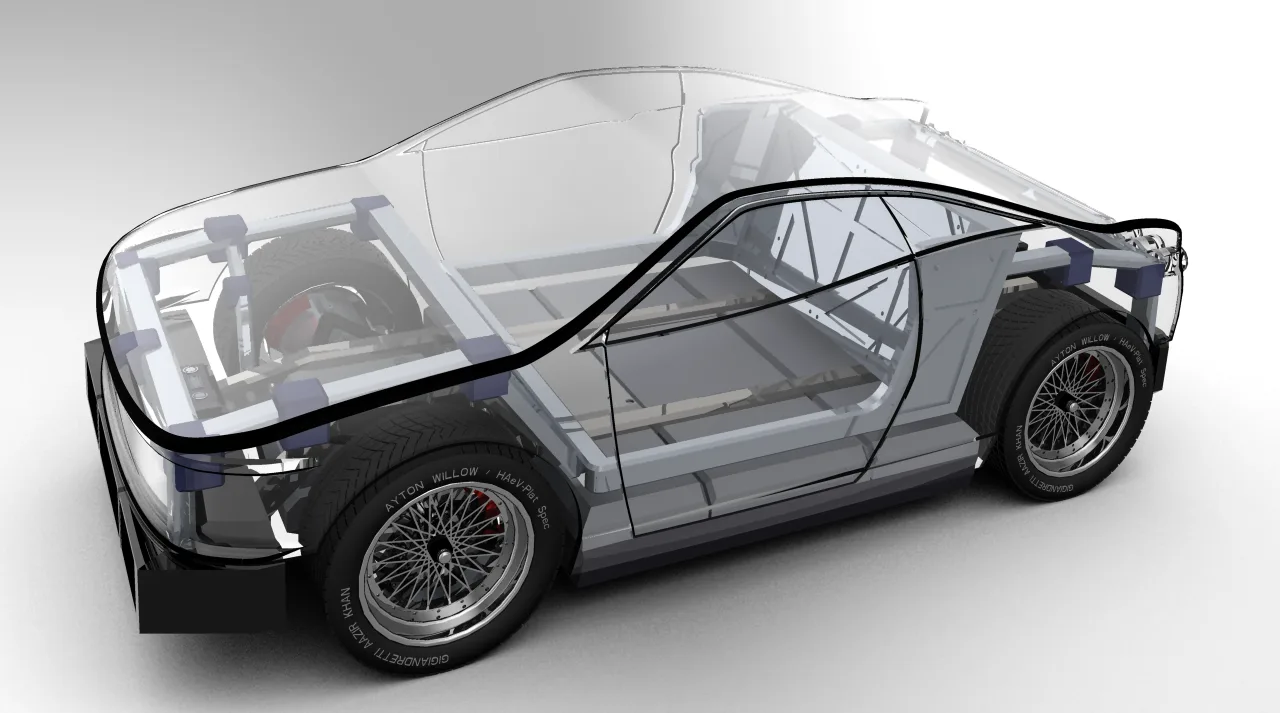
AI-controlled active structure: a reconfigurable frame with a variable stiffness matrix — the structure itself adapts to load, road, and configuration in real time.
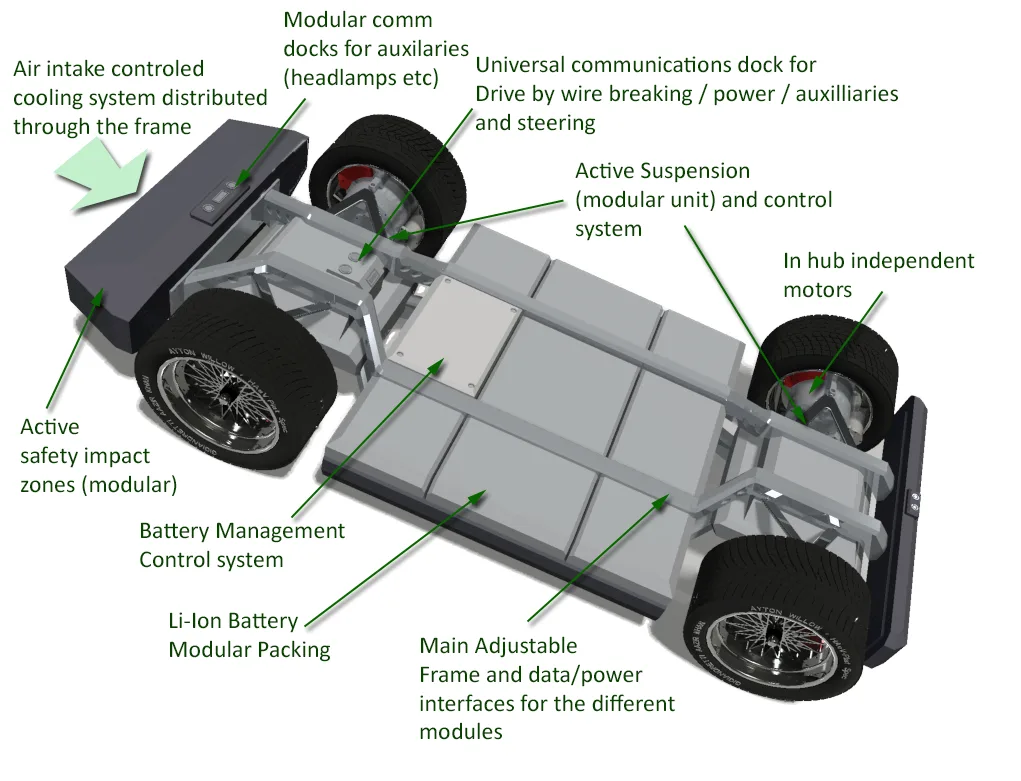
Active vehicle dynamics: modular active suspension with in-hub motors, collapsible body panels, and modular battery packs — ride and handling tuned continuously as the vehicle's shape changes.
Active crash protection: crash structures that respond to protect the driver, not just absorb.
One high-level controller arbitrates vehicle dynamics, active safety, power and energy flows, and driver interaction across every module on board.
Modularity
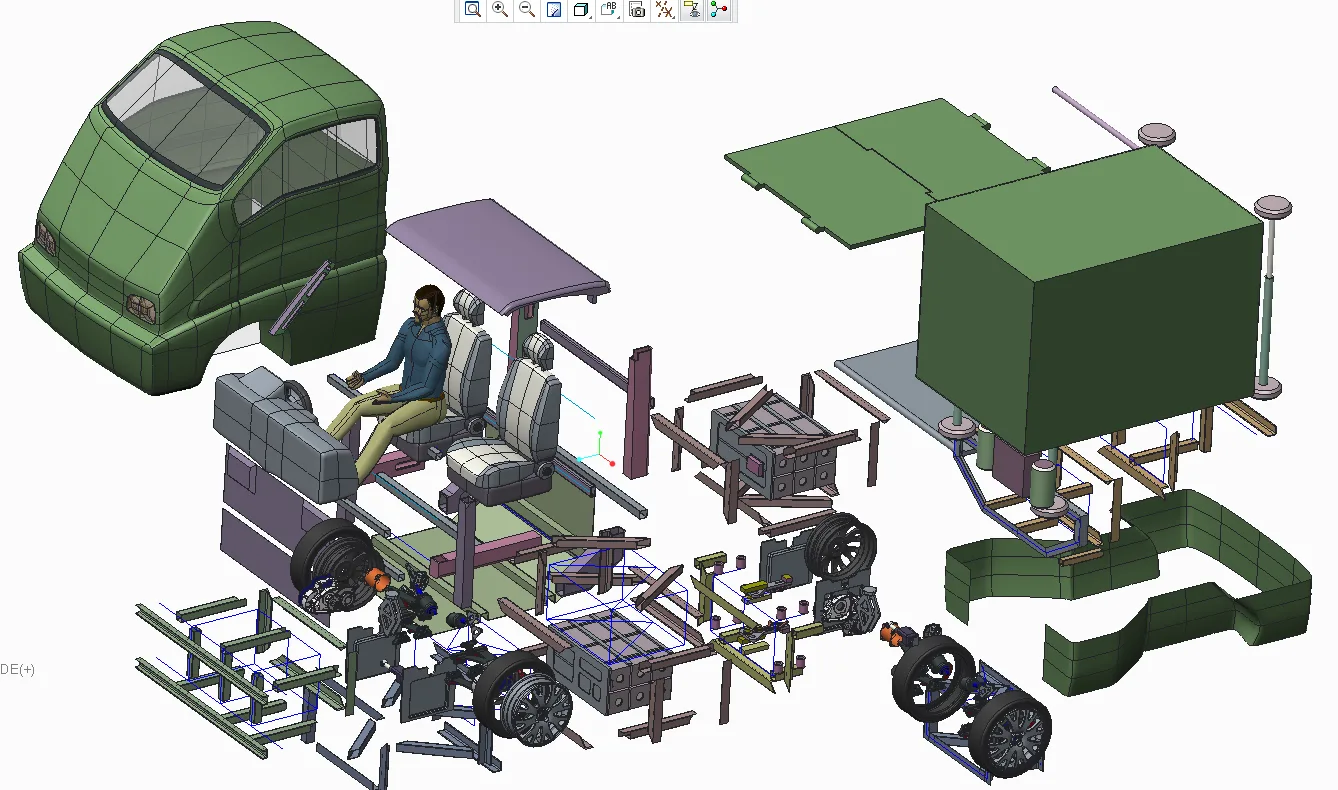
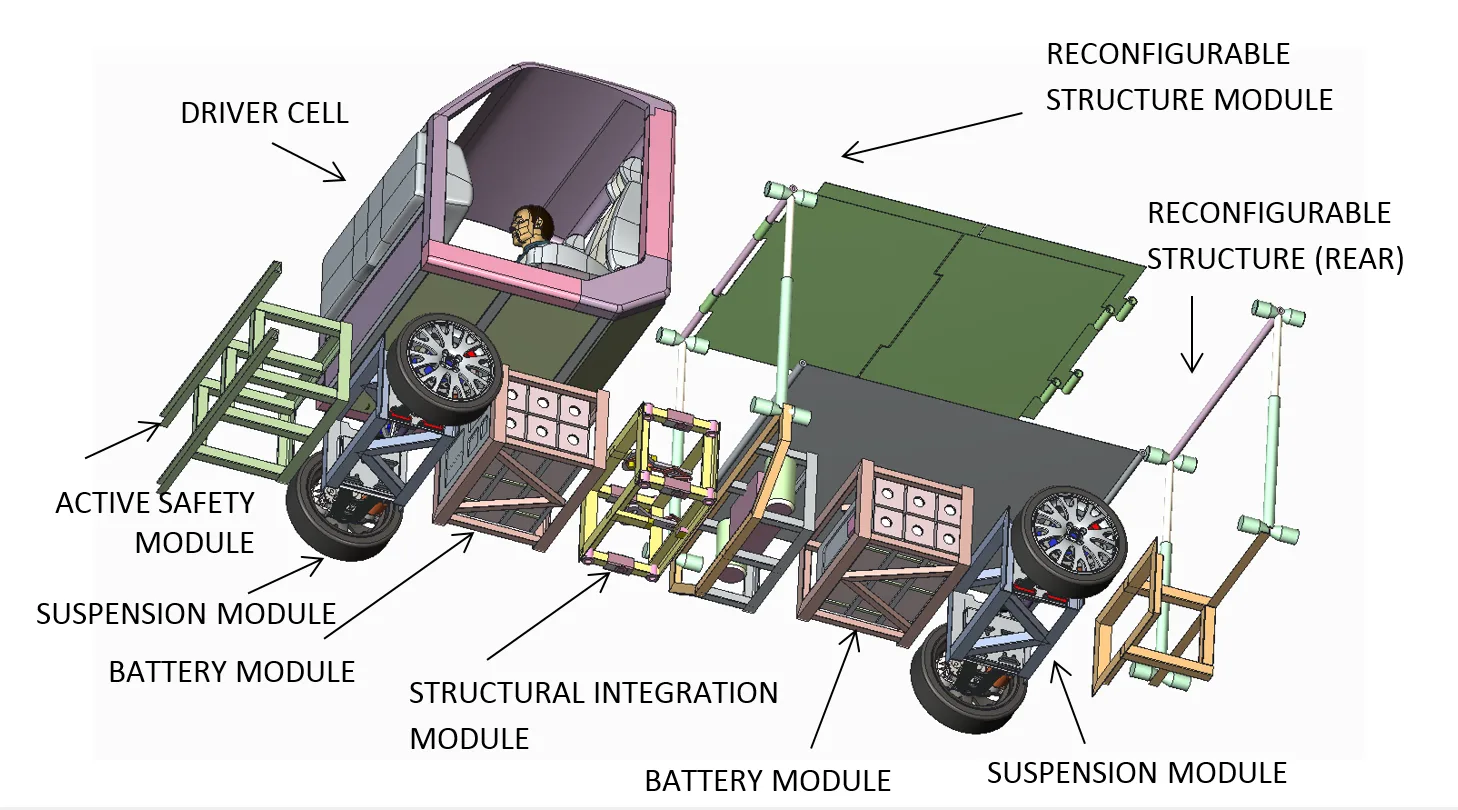
Modularity runs to component level. Driver cell, payload modules, battery modules, suspension modules, and reconfigurable structure sections bolt together into whatever the job needs — and because each functional module is load-bearing and brings its own power and energy units, frame weight drops, payload capacity rises, and the power-to-weight ratio becomes something you configure, not inherit.
The D3R Concept
Urban delivery vehicles spend their day parked, loading, or charging. D3R was designed to delete all three:
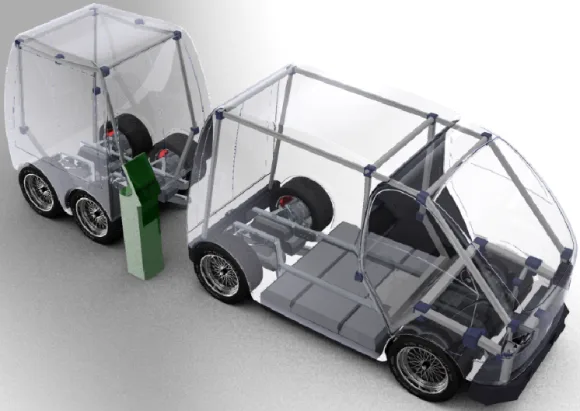
Drop the module, keep driving: payload modules carry their own battery and powertrain, so the vehicle deposits a module for delivery and continues its run without it.
Modules recharge themselves: deposited modules recharge at the drop point and are recollected on a later pass — with freight security and tracking built into each block.
Dynamic charging on the move using available infrastructure — in theory, a D3R fleet runs 24 hours without a single charge pause.
One vehicle, the whole supply chain: the varying payload structure and footprint let the same LDV work every leg, from depot to last mile.
Variable Aerodynamics
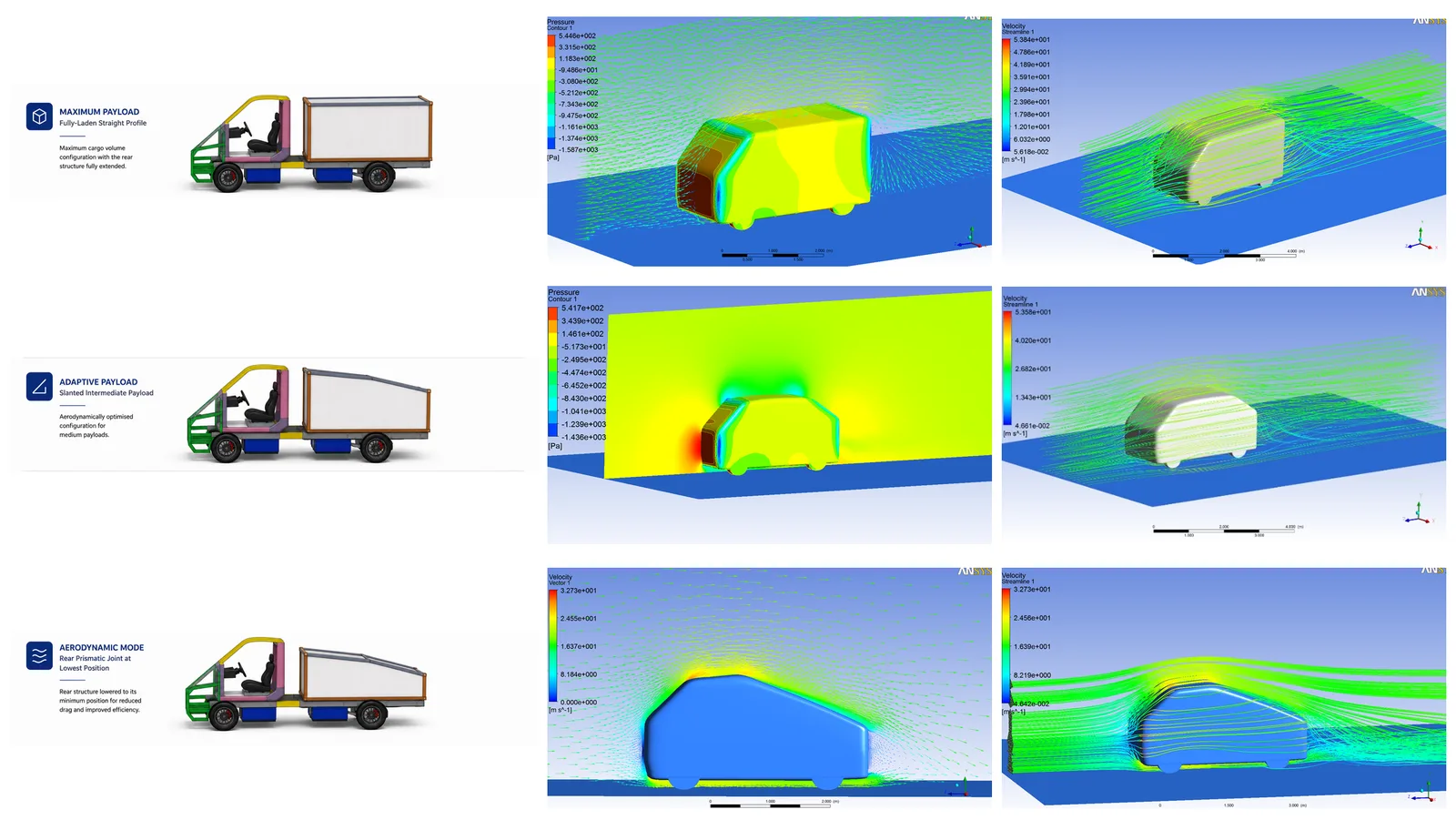
Because the structure reconfigures, the aerodynamics can too. CFD studies across cab-only, part-laden, and fully-laden configurations shaped a body that adapts its profile to the payload actually on board — recovering the energy a fixed van body wastes pushing air it no longer needs to.
Where It Lives Now
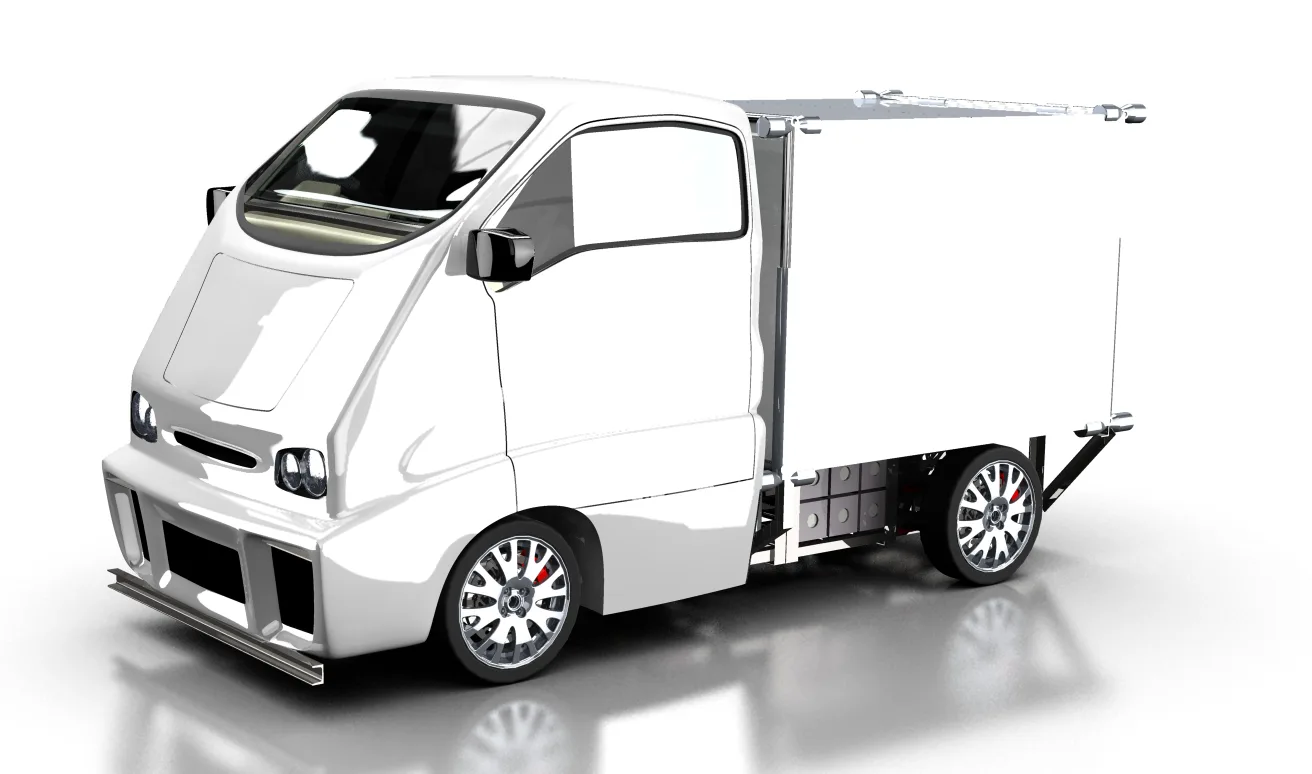
The programme validated its concepts on a complete prototype vehicle — cab and payload module — and produced patentable work in component-level modularity, live AI-controlled structures, reconfigurable stiffness, active crash protection, and the D3R delivery system. That IP came to Aliera with its founder, and its thinking runs directly into our current vehicle work: the modular, frameless architecture behind SAHER's electric mobility programme.
From vehicle architecture and active structures to powertrains and embedded control — Aliera engineers mobility from concept to prototype. Tell us what you're building.