Healthcare Systems & Management AI Aliera Platform Contracted & Piloted — ULH

MIRAI Health Sphere

未来健康球 · the future health sphere

An AI decision layer for healthcare operation systems. MIRAI Health Sphere connects the systems a hospital already runs — HIS, ERP, ICU, imaging, finance — into one real-time operational intelligence layer, without replacing any of them.

MIRAI — watercolour painting by Marria Khan

"Mirai" — painting by Marria Khan
"Hospitals generate massive data — but no intelligence that connects operations."

Legacy HIS/ERP systems cannot "see" the full hospital — executives get several separate dashboards and reports.

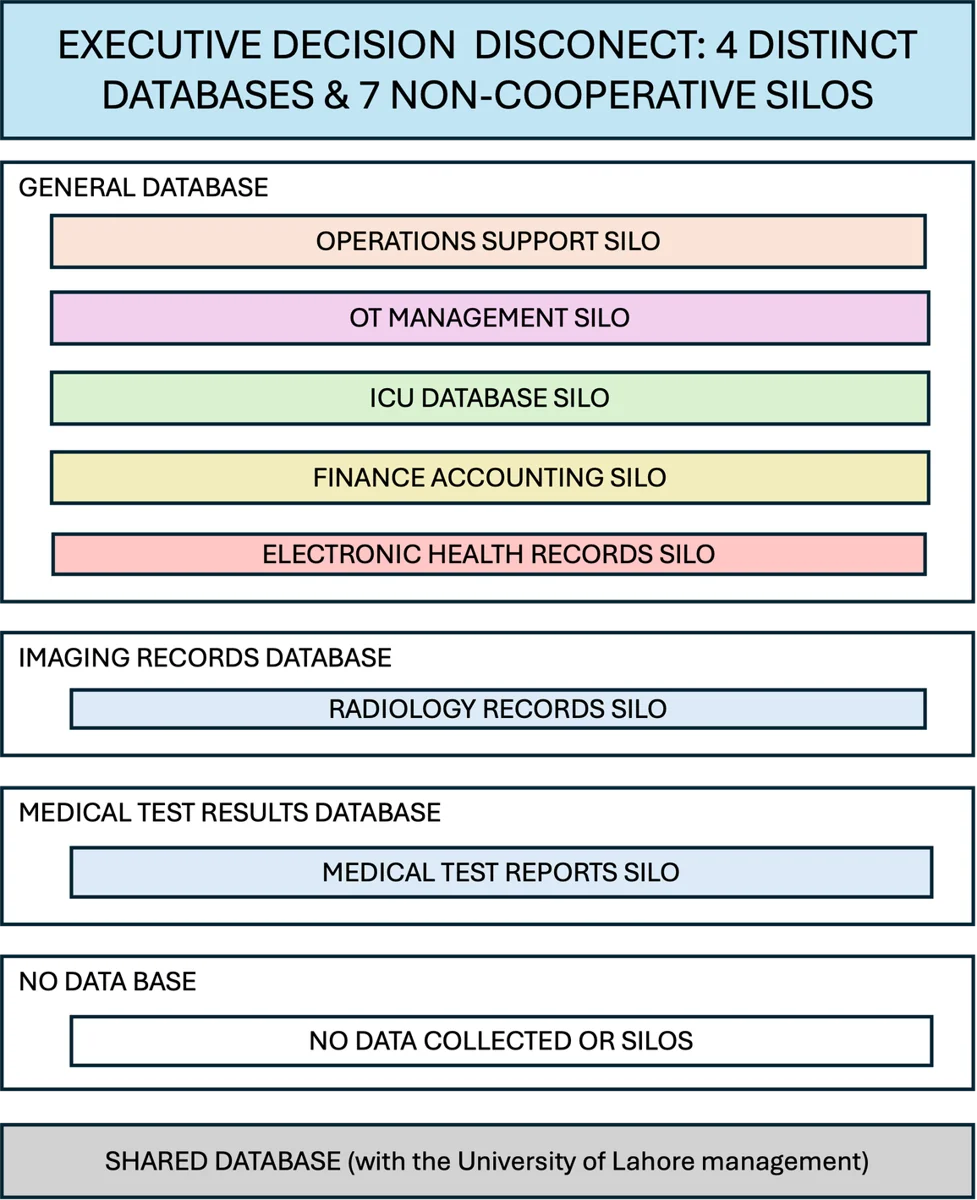
ICU data, operational data, EHR, imaging, financial data, and OT planning remain isolated silos that don't communicate in real time.

Patient flow becomes unpredictable and chaotic, with no live tracking — and no traces afterwards.

Losses accumulate from inefficiency and misalignment. Leaders cannot act on intelligence they never receive.

Executive decision disconnect at ULH: four distinct databases and seven non-cooperative silos
Mapped at ULH: 4 distinct databases, 7 non-cooperative silos.

Minimally invasive intelligence that latches onto what you already run.

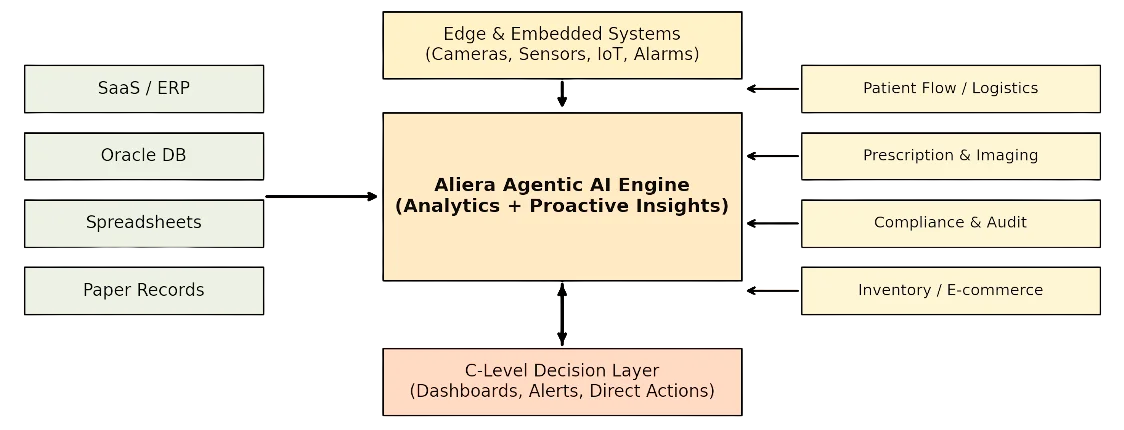
MIRAI Health Sphere doesn't replace hospital systems — it connects to them. An agentic AI engine sits across HIS/ERP, edge devices, spreadsheets, even paper-record workflows, and turns them into one predictive, executive-ready decision layer.

MIRAI Sphere architecture: edge and embedded systems, SaaS/ERP, databases and records feed the Aliera agentic AI engine, which drives the C-level decision layer
The MIRAI Sphere architecture — from ward-level edge systems to the C-level decision layer.

Unifies Fragmented Systems

Modularly combines HIS, EHR, medical records, executive decisions, and operations support into a single intelligence layer.

Executive & Operational Alignment

One unified view for administrators, executives, clinicians, and nursing & operations teams.

Real-Time Operational Intelligence

Live alerts, bottleneck detection, early warnings, and timeline projections across departments.

Predicts Patient Flow & ICU Demand

Forecasts bed occupancy, ER congestion, staffing needs, and critical-unit load before they become emergencies.

Edge + Cloud for Speed & Privacy

Local and offline edge hardware inside the hospital keeps sensitive data on-site with ultra-fast inference.

Privacy by Design

Clinician-facing intelligence is delivered through minimal interfaces, with patient privacy protected through anonymisation.

Discovered, built, and proven inside a working hospital.

MIRAI Health Sphere wasn't designed in a lab. We deployed our edge systems inside the University of Lahore Hospital, attempted integration with their HIS/ERP — and exposed the workflow and data-communication failures every large hospital lives with. The platform was built against those findings.

Piloted on site: real-time patient flow — live ER tracking, bed occupancy, ICU load, interdepartmental routing — and automated compliance & audit.

Ongoing with ULH divisions: AI-assisted diagnostics, predictive resource management, clinical decision support, and patient feedback analytics.

Contracted: 6 Sphere modules under the ULH deployment scope, tested across 9 departments.

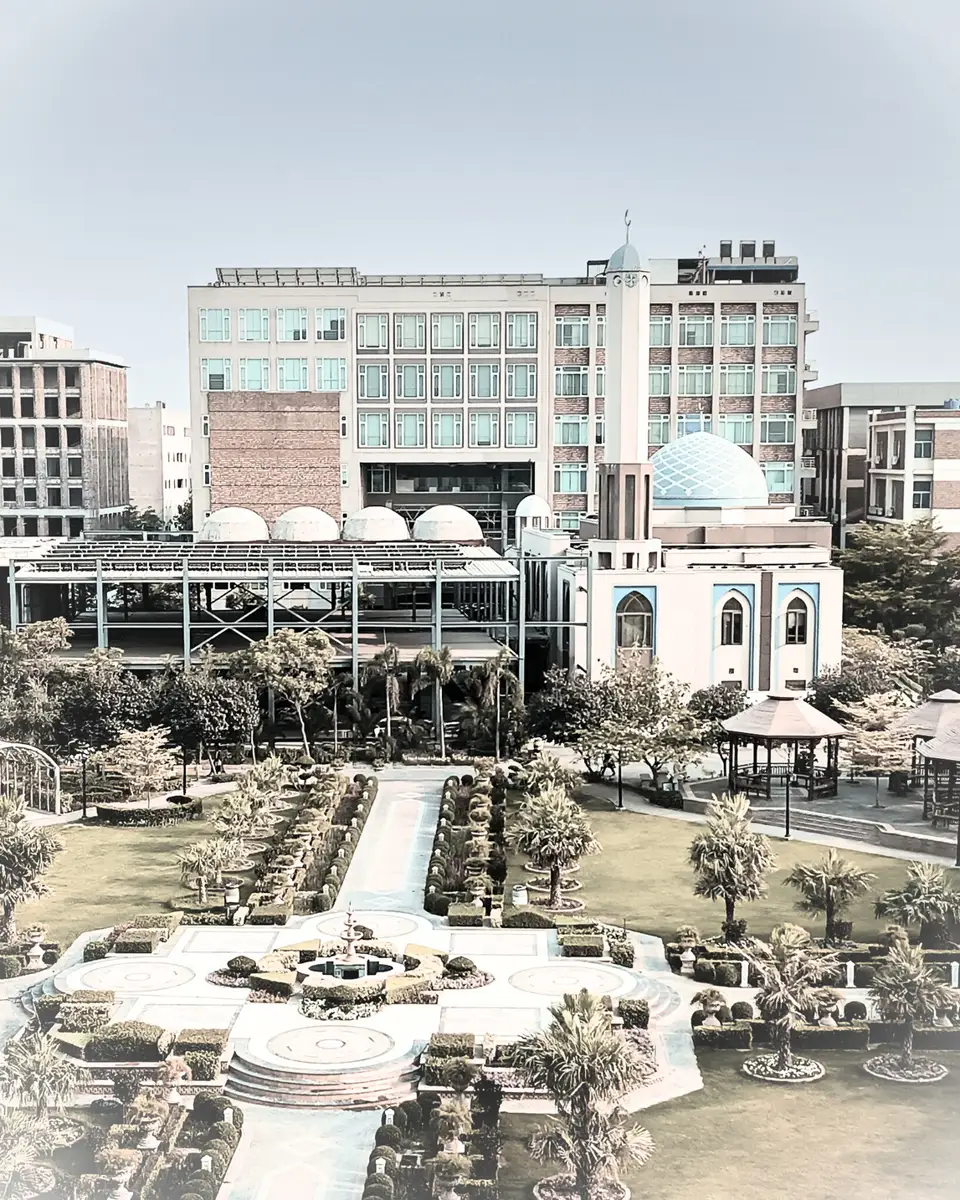
University of Lahore Hospital campus The MIRAI clean interface at ULH recording doctor voice data through a connected device

Campus photo courtesy of the University of Lahore

Intelligence at the point of care.

Alongside the operational layer, MIRAI edge systems run live in ULH divisions — on-device AI that works where the patients are.

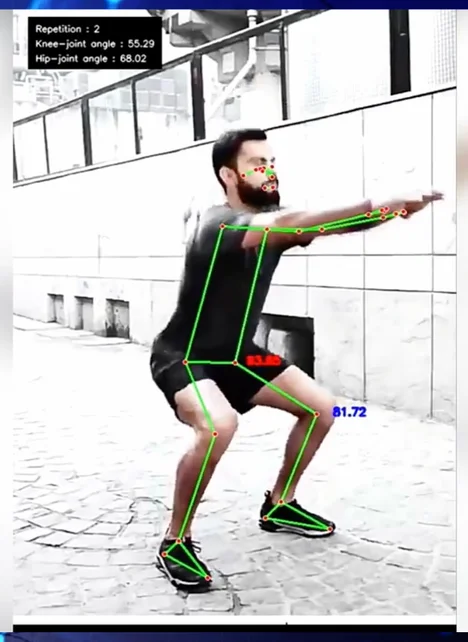
Posture and gait tracking with skeletal keypoints

Physiotherapy & Physical Monitoring

Posture and gait tracking with rPPG vitals.

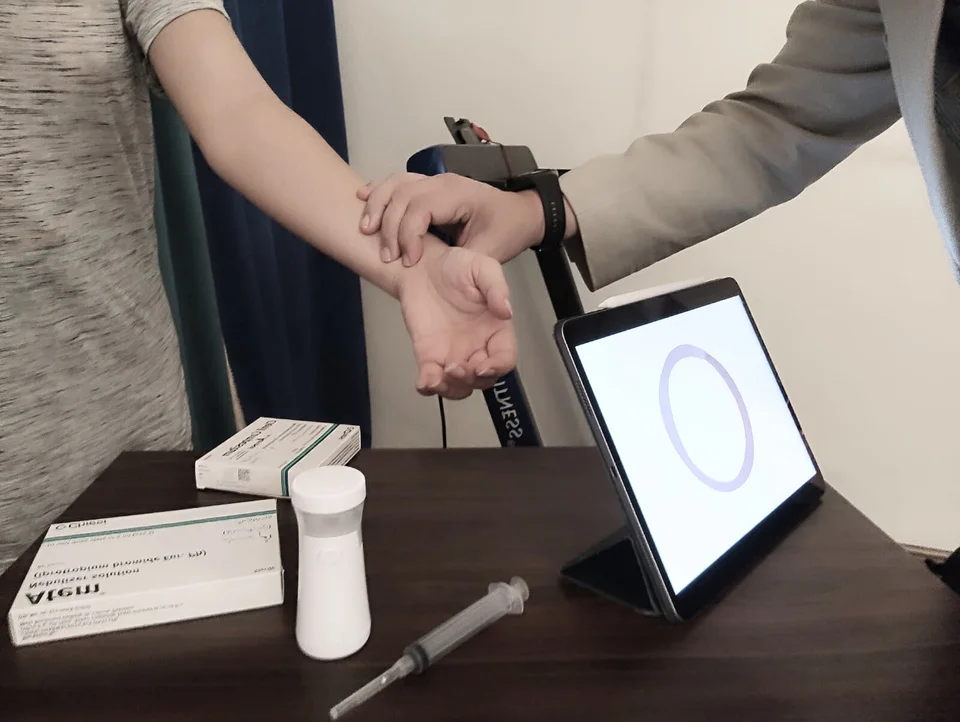
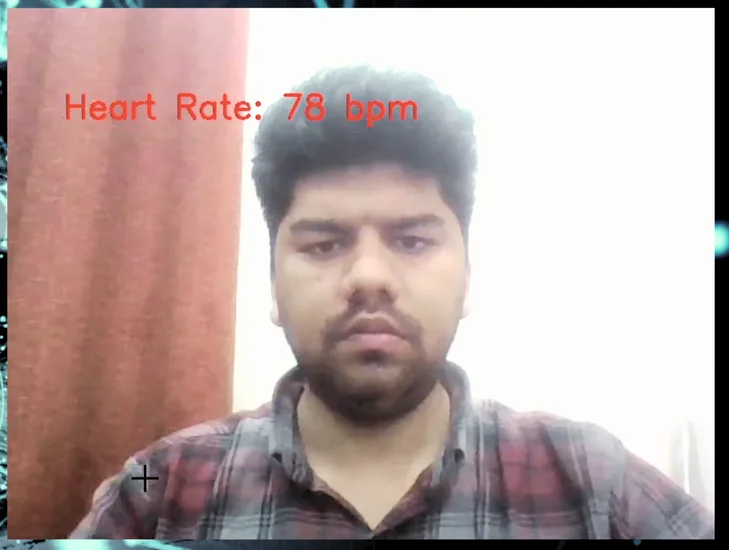
Touchless rPPG vitals reading: heart rate, blood pressure, temperature

Touchless Vitals

Camera-based rPPG vital signs — heart rate, BP, temperature — with task monitoring for staff safety.

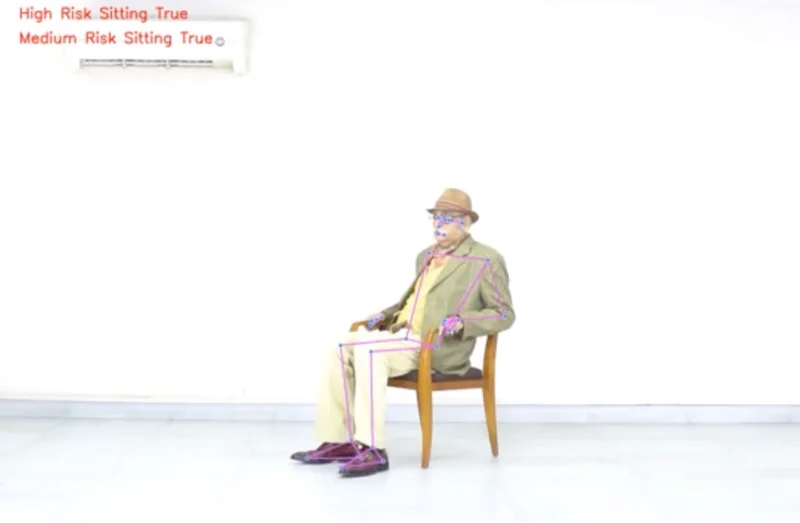
Fall-risk detection classifying sitting and standing risk states

Elderly Care Monitoring

Continuous monitoring, fall-risk detection, and pre-emptive dementia-episode recognition.

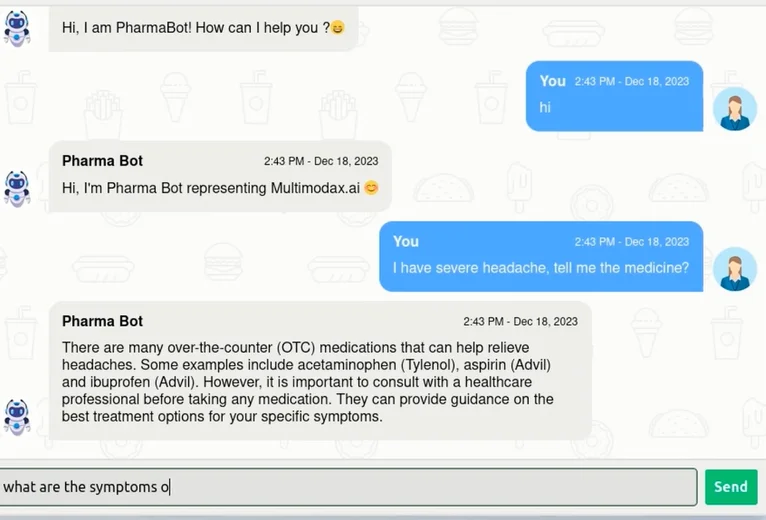
PharmaBot AI assistant answering medication queries in a chat interface

PharmaBot

AI assistant for medication queries, plus radiology support — spine-CT metastatic lesion recognition.

Three minutes inside MIRAI Health Sphere.

Prefer the story behind it? Watch the founders' film →

From edge prototypes to a contracted platform.

2022

Early edge-based AI prototypes deployed — air quality, device AI overlays. Initial hospital workflow mapping begins.

2023

ULH adoption starts. Edge systems piloted in radiology, physiotherapy, and psychology. First full workflow discovery across ICU, ER, pharmacy, and inpatient units.

2024

Identification of 7 critical system disconnects across HIS / ERP. Insurance AI prototypes completed (claims, pre-auth).

2024–25

ULH contracts 6 Sphere modules — diagnostics AI, predictive resource planning, clinical decision support, patient feedback analytics. Network routing engine tested across 9 departments.

2025 →

Expansion year. Pre-launch pipeline under discussion: 12 hospitals, 3 insurers, and 2 government health networks.

6
Sphere modules contracted at ULH
9
Departments tested
12
Hospitals in pre-launch pipeline
3
Insurers in pipeline
2
Government health networks

Pipeline figures are prospective engagements under discussion — distinct from the contracted and piloted work at ULH above.

The roadmap runs through regulation, not around it.

2026–27: cross-facility routing with a multi-hospital command layer, an expanded insurance AI suite, UK regulatory onboarding through NHS Digital Compliance and DTAC pathways, and a predictive "hospital twin" of live operations — with expansion across the GCC and ASEAN markets.

Running a hospital on disconnected systems?

MIRAI Health Sphere latches onto what you already have. Tell us about your environment — we respond within 48 hours.

Schedule a Discovery Call →